

205744
Order Completed

4310
Active Users

1645
Active Services

#1
World Wide Positions
About SMMLive
Your Top SMM Partner
At SMMLive, we specialize in unlocking the full potential of your social media platforms. As Indonesia's #1 cheapest and most trusted SMM panel provider, we offer a comprehensive suite of services tailored to your brand's unique needs. From Facebook and Instagram to TikTok and LinkedIn, we aim to elevate your online presence with cost-effective, result-oriented strategies. Our commitment to quality and affordability has made us the go-to choice for businesses seeking impactful digital growth. Join us and experience the transformative power of expert social media marketing.
More About Us
Our SMM Services
Specialized SMM Panels to
Meet Your Goals
Discover our versatile range of SMM panels, precisely crafted to meet every aspect of your social media requirements. From enhancing your Facebook engagement to boosting your YouTube views and Twitter followers, alongside elevating your Instagram and LinkedIn presence, our specialized services guarantee maximum impact and growth for your online presence. With SMMLive, unlock the power of targeted and strategic social media marketing.
Facebook SMM Panel
Find the ultimate SMM panel tailored for Facebook, igniting your page's engagement and expanding its reach. Unlock cost-effective, impactful growth through our seasoned Facebook marketing solutions, including Page Likes, Post Shares, and Comments. Experience the transformative power of SMMLive's expertise in maximizing your Facebook presence.
Our Services

Facebook Post React Services

Facebook Followers Services

Facebook Post React Services

Facebook Post React Services
Instagram SMM Panel
Elevate your Instagram game with SMMLive's premium SMM panel. Our tailored solutions are designed to boost your profile's visibility, engagement, and follower count. From authentic followers to genuine likes and comments, we provide effective strategies for organic growth. Experience the difference and watch your Instagram presence flourish with SMMLive.
Our Services
Instagram Post React Services
Facebook Post React Services
Facebook Post React Services
Facebook Post React Services
X/Twitter SMM Panel
Elevate your presence on X/Twitter with SMMLive's specialized SMM panel. Crafted to enhance your X/Twitter profile, our strategies drive visibility, engagement, and follower count to new heights. From authentic followers to genuine interactions, experience organic growth and lasting impact. Unleash your potential and amplify your voice on X/Twitter with SMMLive.
Our Services
Facebook Post React Services
Facebook Post React Services
Facebook Post React Services
Facebook Post React Services
YouTube SMM Panel
Find the ultimate SMM panel tailored for Facebook, igniting your page's engagement and expanding its reach. Unlock cost-effective, impactful growth through our seasoned Facebook marketing solutions, including Page Likes, Post Shares, and Comments. Experience the transformative power of SMMLive's expertise in maximizing your Facebook presence.
Our Services
Facebook Post React Services
Facebook Post React Services
Facebook Post React Services
Facebook Post React Services
TikTok SMM Panel
Climb the ranks on TikTok with SMMLive's specialized SMM panel. Tailored solutions await to amplify your TikTok presence, enhancing visibility, engagement, and follower count. From authentic followers to genuine likes and shares, our strategies guarantee organic growth and lasting impact. Dive into the difference and let your TikTok profile shine with SMMLive.
Our Services
Facebook Post React Services
Facebook Post React Services
Facebook Post React Services
Facebook Post React Services
Linkedin SMM Panel
Unlock your professional potential on LinkedIn with SMMLive's tailored SMM panel. Crafted to enhance your LinkedIn presence, our strategies boost visibility, engagement, and meaningful connections. From authentic networking to genuine interactions, experience organic growth and lasting influence. Elevate your professional journey and stand out on LinkedIn with SMMLive.
Our Services
Facebook Post React Services
Facebook Post React Services
Facebook Post React Services
Facebook Post React Services
Telegram SMM Panel
Empower your presence on Telegram with SMMLive. Our dedicated SMM panel offers targeted solutions to enhance your Telegram channels and groups, boosting visibility, engagement, and member count. From authentic followers to genuine interactions, experience organic growth and lasting impact. Elevate your Telegram game and connect with your audience like never before with SMMLive.
Our Services
Facebook Post React Services
Facebook Post React Services
Facebook Post React Services
Facebook Post React Services
Pinterest SMM Panel
Maximize your impact on Pinterest with SMMLive. Our tailored SMM panel is designed to elevate your Pinterest presence, driving visibility, engagement, and follower count. From authentic pins to genuine interactions, experience organic growth and lasting influence. Elevate your Pinterest journey and inspire your audience with SMMLive.
Our Services
Facebook Post React Services
Facebook Post React Services
Facebook Post React Services
Facebook Post React Services
Twitch SMM Panel
Level up your Twitch channel with SMMLive's dedicated SMM panel. Crafted to boost your Twitch presence, our strategies drive visibility, engagement, and follower count. From authentic viewers to genuine interactions, experience organic growth and lasting impact. Elevate your streaming journey and connect with your audience like never before with SMMLive.
Our Services
Facebook Post React Services
Facebook Post React Services
Facebook Post React Services
Facebook Post React Services
SoundCloud SMM Panel
Elevate your SoundCloud profile with SMMLive's specialized SMM panel. Tailored solutions await to boost your SoundCloud presence, increasing visibility, engagement, and follower count. From authentic listeners to genuine interactions, our strategies promise organic growth and long-term impact. Dive into the difference and let SMMLive amplify your music journey.
Our Services
Facebook Post React Services
Facebook Post React Services
Facebook Post React Services
Facebook Post React Services
Website Traffic SMM Panel
Drive targeted traffic to your website from various sources with SMMLive's versatile SMM panel. Crafted to enhance your website's visibility, our strategies generate traffic from social media platforms, search engines, and more. Experience organic growth and increased conversions as you expand your online presence with SMMLive's targeted traffic solutions.
Our Services
Facebook Post React Services
Facebook Post React Services
Facebook Post React Services
Facebook Post React Services

Revolutionize Your Social Media Presence Today!
Are you ready to take your social media game to the next level? With our expert solutions at SMMLive, it's never been easier to transform your online presence. From boosting engagement to expanding your reach, our tailored strategies are designed to help you shine on every platform. Don't wait any longer – unleash your full potential and stand out from the crowd with SMMLive!
Take Your Profile To Next levelHow it works?
Embark on Your Success Journey with
SMMLive in Four Simple Steps
Ready to kickstart your success story? At SMMLive, we make it effortless to achieve your goals. With our streamlined process, you can take the first steps towards success in just four easy steps. From consultation to implementation, our expert team is here to guide you every step of the way. Start your journey to success with SMMLive today!
Step

Create Your Account
Create Your Account by Entering Your Username, Email, and Password - Begin Your Journey to Success
Step

Add Funds Securely
Power Up Your Success Journey with BTC, ETH, Visa, Mastercard, or Local Payment Options.
Step

Place Your Order
Select Your Services and Enter Your Profile or Desired Service Link Correctly - Tailor Your Success Plan and Submit for Action.
Step

Enjoy Your Results
Sit Back, Relax, and Experience the Transformation Unfold as Your Success Journey Begins!
Unlocking Our Success: Insights
with SMMLive
Elevate your social media presence with the ultimate SMM panel provider – SMMLive. Discover an array of compelling reasons that make us the top choice for businesses and individuals alike. Unleash the power of effective social media strategies with our unparalleled services. Explore the difference with SMMLive, your premier destination for SMM panels.
Established Excellence
With a wealth of experience, SMMLive is recognized as the leading SMM panel, consistently delivering exceptional results over the years.

Diverse Service Offerings
From Facebook to TikTok, our comprehensive range of services caters to all your social media needs, positioning us as your one-stop solution for digital growth.

Budget-Friendly Rates
As an affordable SMM panel provider, we prioritize accessibility, ensuring that our high-quality services strike a perfect balance between affordability and excellence.


Customer-Focused Approach
We prioritize your needs, customizing our services to align with your specific goals and guaranteeing a personalized experience.

Swift Outcomes
We prioritize your requirements, crafting our services to align with your specific goals, ensuring a personalized experience, and delivering rapid results.

Exceptional Support
We prioritize your needs by tailoring our services to meet your specific goals, ensuring a personalized experience, and providing unmatched support.

Real Success, Real Voices - Discover the
Stories of Our Happy Clients
Explore the genuine satisfaction expressed by our delighted customers, showcasing the impactful results of SMMLive's premium SMM services. Dive into authentic testimonials from diverse clients, sharing their success stories and experiences. Join the journey of digital growth with SMMLive, where client contentment meets cutting-edge social media strategies for optimal online success.
SMMLive transformed our social media game! Their SMM services for Facebook and Instagram propelled our online presence, resulting in increased engagement and brand visibility. Highly recommended for anyone serious about digital success.

John Smith
TechBoost SolutionsSMMLive is a game-changer for YouTube growth. Their tailored strategies boosted our channel's subscribers and views significantly. The results speak for themselves. Thank you, SMMLive!
Sarah Johnson
TrendCraft CreationsOutstanding service for LinkedIn! SMMLive strategically elevated our professional network, leading to meaningful connections and business opportunities. A must-have for anyone aiming for LinkedIn success.
Alex Rodriguez
ConnectPro ConsultantsTikTok success made easy with SMMLive! Their creative approach skyrocketed our TikTok presence, driving engagement and creating a buzz around our artistic content. Exceptional service!
Emily Davis
ArtVibes StudioSMMLive's services for Twitter proved to be a game-changer for our fitness brand. Increased followers, retweets, and engagement were noticeable within weeks. Impressive results, and we're thrilled!
Chris Turner
Fitness FusionSMMLive delivers results! Their comprehensive SMM services for various platforms, including Snapchat, ensured our brand stayed on top of trends. A reliable partner for staying ahead in the digital landscape.
Jessica Nguyen
TrendTech Innovations
Discover Our Extensive Payment Options for Seamless Transactions
Expand your payment horizons with our diverse range of accepted methods, including Payeer, Cryptomus. Ensuring hassle-free transactions, we also facilitate international payments through trusted platforms like Binance Pay, and Perfect Money, along with widely recognized cards such as Visa and Mastercard. Explore the convenience of a variety of payment choices for a smooth and secure transaction experience on our website.
Explore SMMLive Now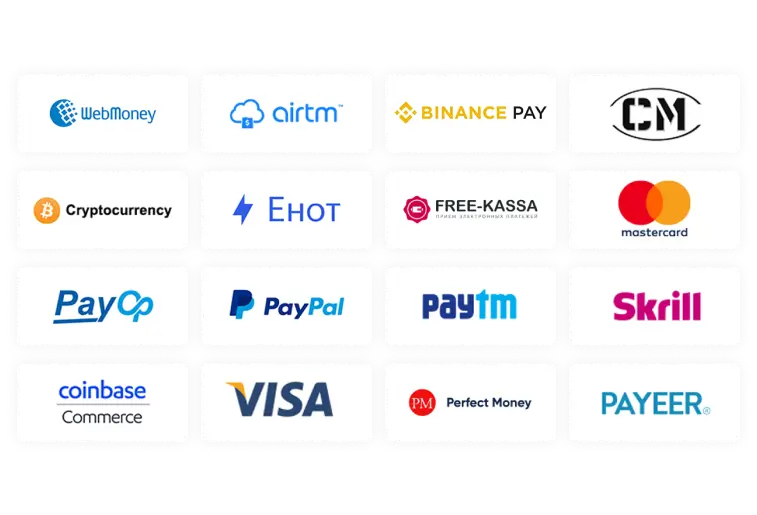
Exploring the Reach of SMM Panels – Could
You Be the One
to Benefit?
In the era of digital dominance, the influence of social media is indisputable. Whether you're a rising entrepreneur, a flourishing business, or an influencer seeking to expand your impact, grasping the significance of SMM (Social Media Marketing) panels can be transformative. But who stands to benefit from an SMM panel, and how can it reshape your digital approach? Let's delve into the details.
SMM Panels: Empower Business Growth
As the startup scene flourishes in Bangladesh, small business owners face the challenge of leaving a lasting impression. With an ever-growing user base of over 60 million on Facebook as of 2023, the prospect of connecting with a vast audience is unparalleled. Dive into the advantages of SMM panels tailored for small enterprises, enabling precise targeting of local audiences and ensuring heightened engagement and conversion rates.

SMM Panels: Elevate Influence
As the startup scene thrives in worldwide, influencers and content creators are pivotal players in the digital landscape. With a staggering 60 million Facebook users in the country as of 2023, the potential for expanding influence is extraordinary. Explore how SMM panels cater to influencers, enabling precise targeting of local audiences for heightened engagement and conversion rates, paving the way for unparalleled digital success.

SMM Panels: E-commerce Success
As the e-commerce sector in world wide experiences a remarkable 70% surge in online shopping, establishing a strong online presence is more crucial than ever. Dive into the realm of SMM panels and discover how they can propel targeted traffic to e-commerce platforms, ensuring heightened brand visibility and driving substantial growth in sales. Unlock the full potential of your online venture with strategic social media marketing.

SMM Impact: Corporate Excellence
In the realm of larger enterprises, a robust social media presence is paramount for enhancing brand image and fostering meaningful customer engagement. Explore the game-changing benefits of SMM panels, providing an efficient solution for managing multiple social media accounts. Elevate your corporate communication strategy with the seamless and impactful capabilities of SMM panels, ensuring consistency and prominence across the digital landscape.

SMM Panels: Event Reach & Attendance
As events and festivals continue to play a central role in Bangladeshi culture, event organizers can harness the power of SMM panels to elevate event awareness and drive attendance. Uncover the potential of targeted campaigns, efficiently reaching potential attendees and ensuring every event becomes a resounding success. Explore how SMM panels redefine event promotion, making a lasting impact on the cultural tapestry of Bangladesh.

SMM for Education and NGOs
Unlock the potential of SMM panels for educational institutions and NGOs, enabling them to amplify awareness about their causes, programs, and initiatives. In a nation with a burgeoning youth population hungry for education and social change, leverage the power of social media as a dynamic tool to disseminate information effectively and rally support. Explore how SMM panels elevate the reach and impact of educational and social initiatives in this transformative digital age.

FAQ
Discover quick answers to your most pressing questions about SMMLive and our SMM services. This FAQ section covers everything from our service range to payment methods, ensuring you have all the information you need for a seamless experience.
An SMM (Social Media Marketing) Panel stands as a virtual service hub, enabling individuals and businesses to acquire social media services such as followers, likes, comments, and views. Tailored to enhance online presence and engagement across diverse social media platforms, these services are a strategic tool for digital growth.
SMMLive's SMM Panel offers a user-friendly experience. Upon signing up and logging in, you can explore our array of services, pick those aligning with your requirements, tailor your plan, and securely make a payment. Once completed, witness tangible results in the growth of your social media presence.
Absolutely. At SMMLive, we prioritize the safety and security of your social media accounts. Our services strictly adhere to the terms and conditions of social media platforms, ensuring there is no risk to the integrity of your accounts.
We provide an extensive array of services catering to various platforms, including Facebook, Instagram, YouTube, TikTok, LinkedIn, Twitter, Pinterest, and more. Our panels are meticulously tailored to match each platform's distinctive audience and algorithms.
Indeed, you can. After placing an order, easily track its progress through your SMMLive account dashboard. This feature provides real-time updates, allowing you to observe the immediate impact of our services.
Yes, at SMMLive, we guarantee that all followers, likes, and views come from real and active accounts. Our emphasis on genuine engagement aims to enhance your social media credibility.
We offer a variety of payment methods for our clients, including credit/debit cards, e-wallets, and payment options like binance, payeer, gcash etc.
In the event of any issues or concerns, our dedicated customer support team is ready to assist you. Feel free to reach out to us through email or WhatsApp for a swift and effective resolution.
The timeframe for observing results varies based on the service and order size. Nevertheless, we are committed to providing swift and impactful outcomes, and many clients experience improvements shortly after placing their order.
Yes, we certainly do. Recognizing that each client has distinct needs, we offer tailor-made packages designed to address your specific requirements and fit within your budget.